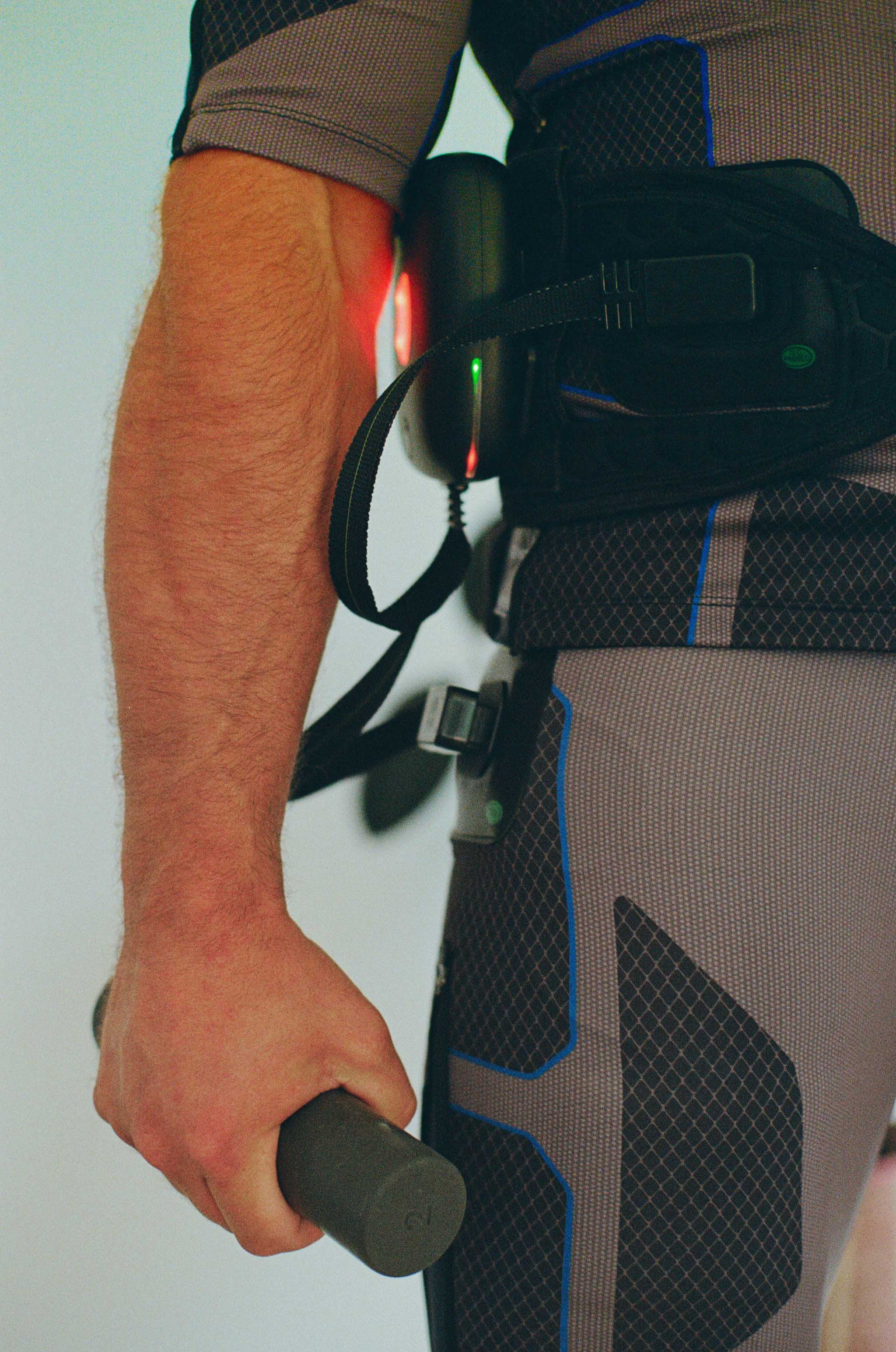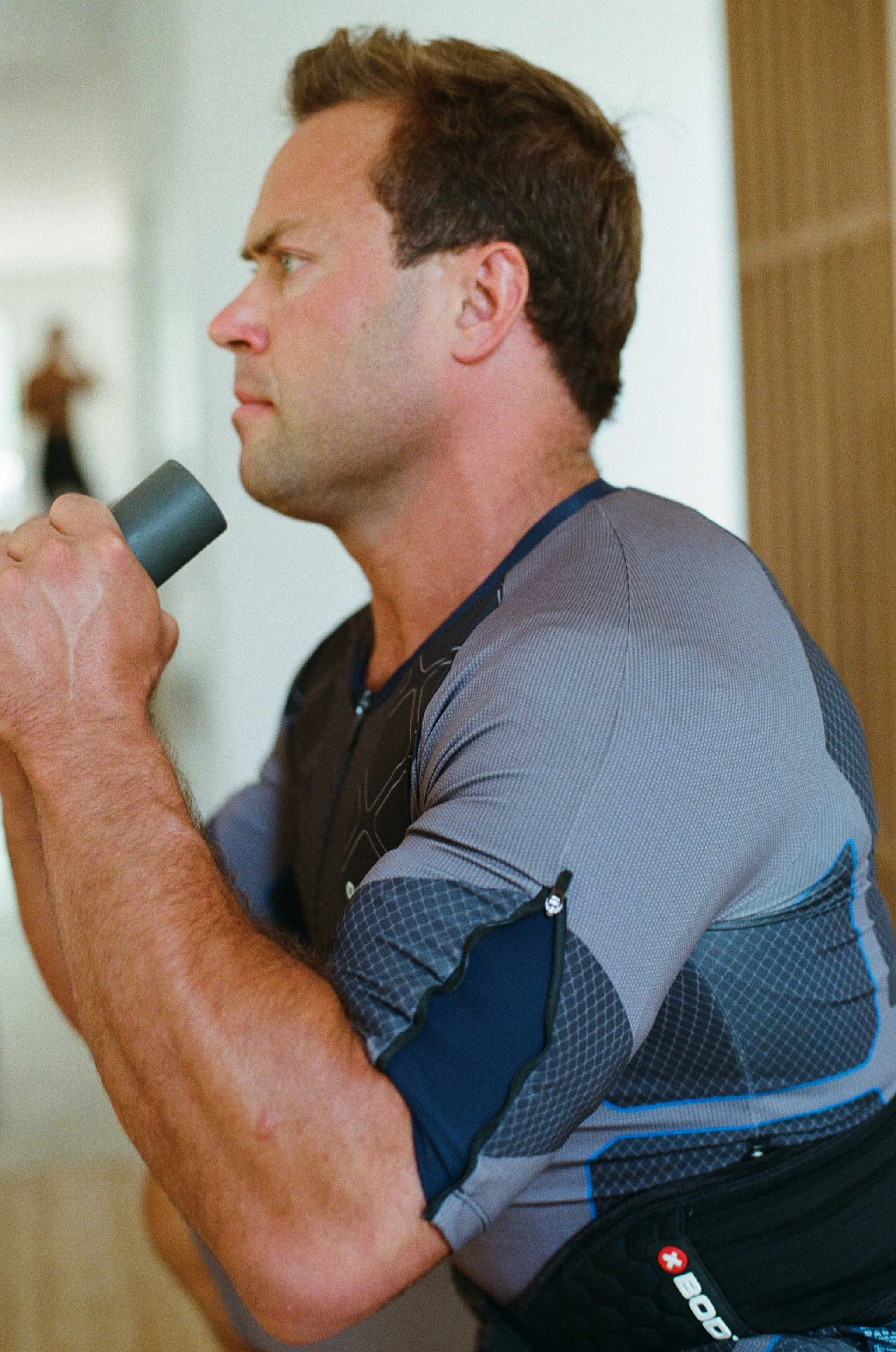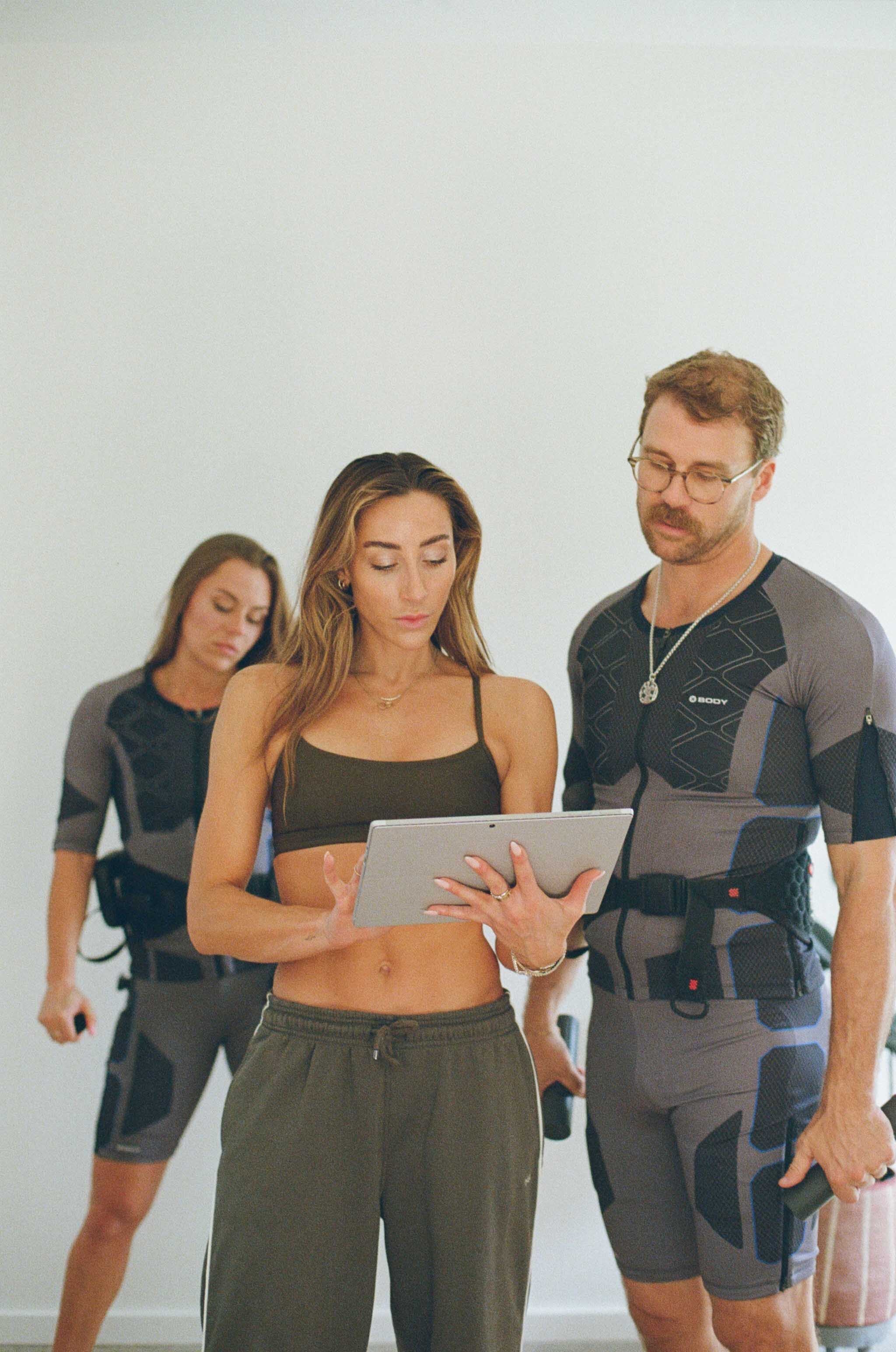
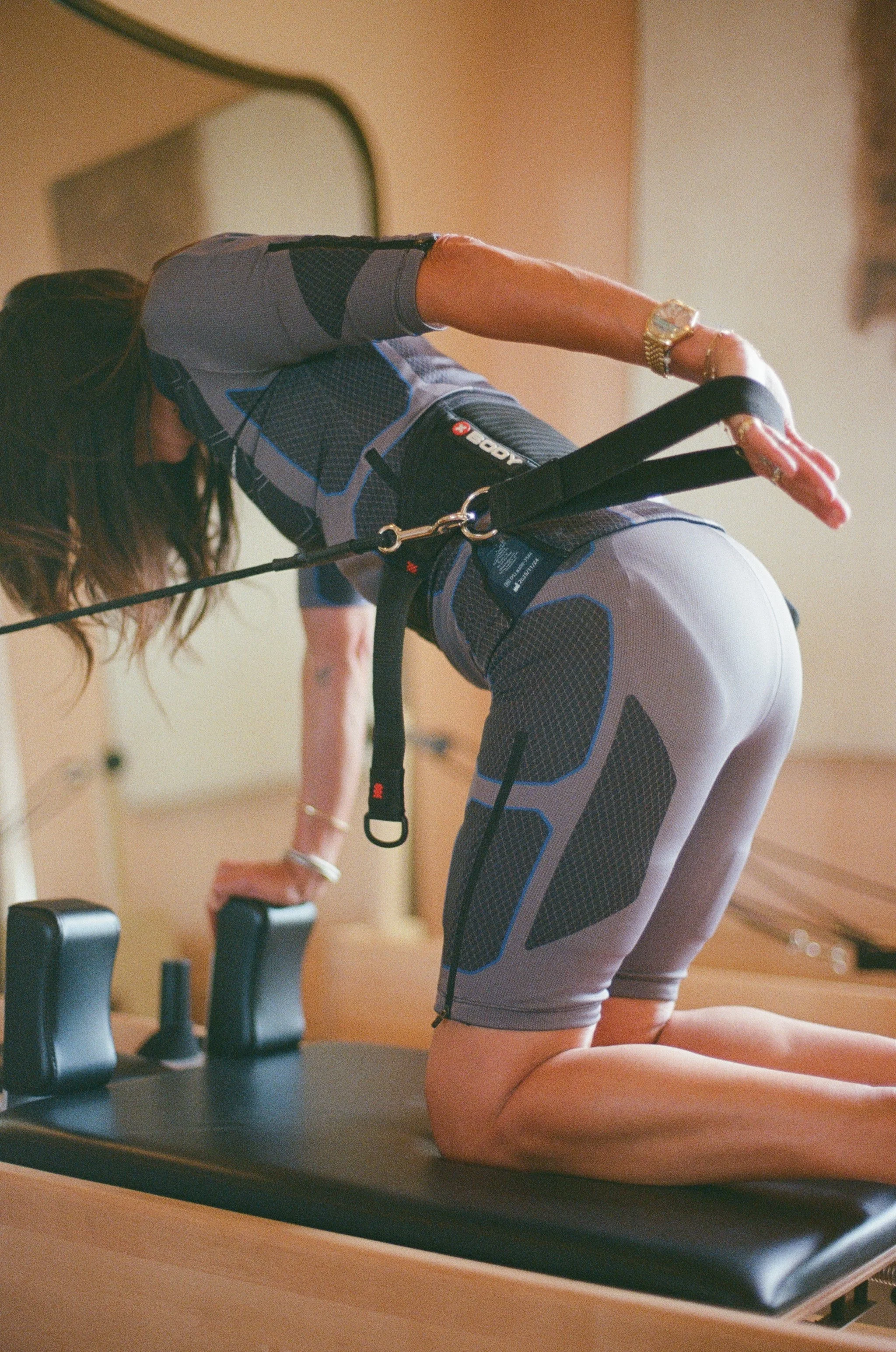
Why EMS?
Because strength matters, for how you move today and how you want to move years from now.
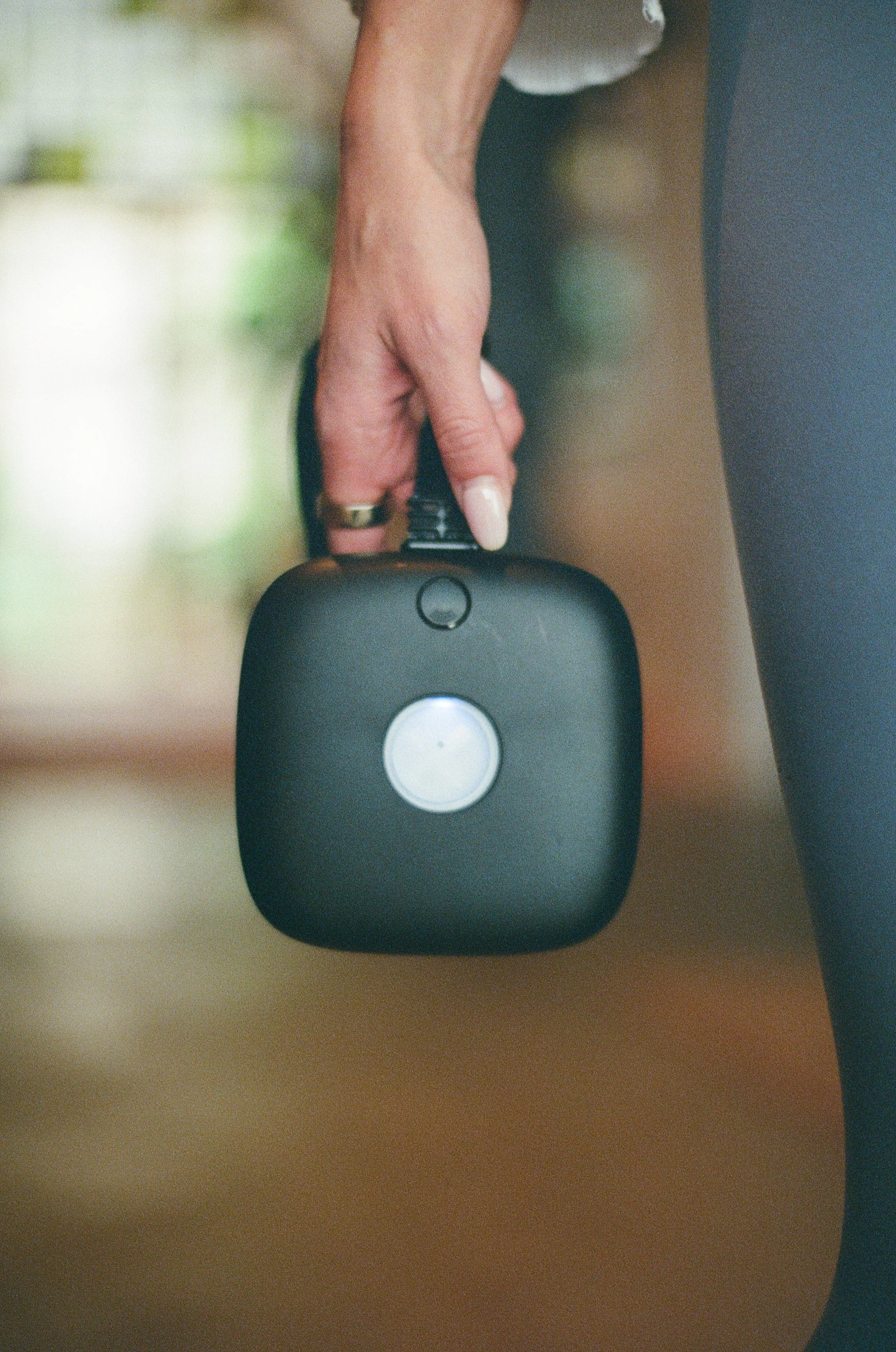
EMS offers a highly efficient way to build and preserve muscle, improve strength and support overall physical function without requiring hours in the gym or consistently loading the body with heavy weights. It’s precise, low-impact and adaptable to your individual goals, making it a powerful tool for everyone from athletes to busy professionals to clients focused on longevity.
At Volt, we pair the technology with what matters most: expert, one-on-one training built around your body.
Twenty minutes. Intentional strength. More capacity for everything you want to do outside of your workout.


Age
Maintaining muscle becomes increasingly important as we age. After around age 30, adults naturally begin to lose muscle mass and strength, and that decline can accelerate later in life, affecting balance, mobility, bone health, metabolism and the ability to stay independent.
For adults in their 60s and beyond, EMS offers an efficient, lower-impact way to create a meaningful strength stimulus without relying on heavy external loads. Research on whole-body EMS in older adults has shown improvements in muscle mass, strength and physical function when practiced consistently.
The goal is bigger than building muscle. It’s maintaining the strength to travel, golf, play with your grandchildren, carry your groceries, get up from the floor and keep saying yes to the life you want to live.
Muscle is an investment in longevity. We’re here to help you keep it.



Perimenopause
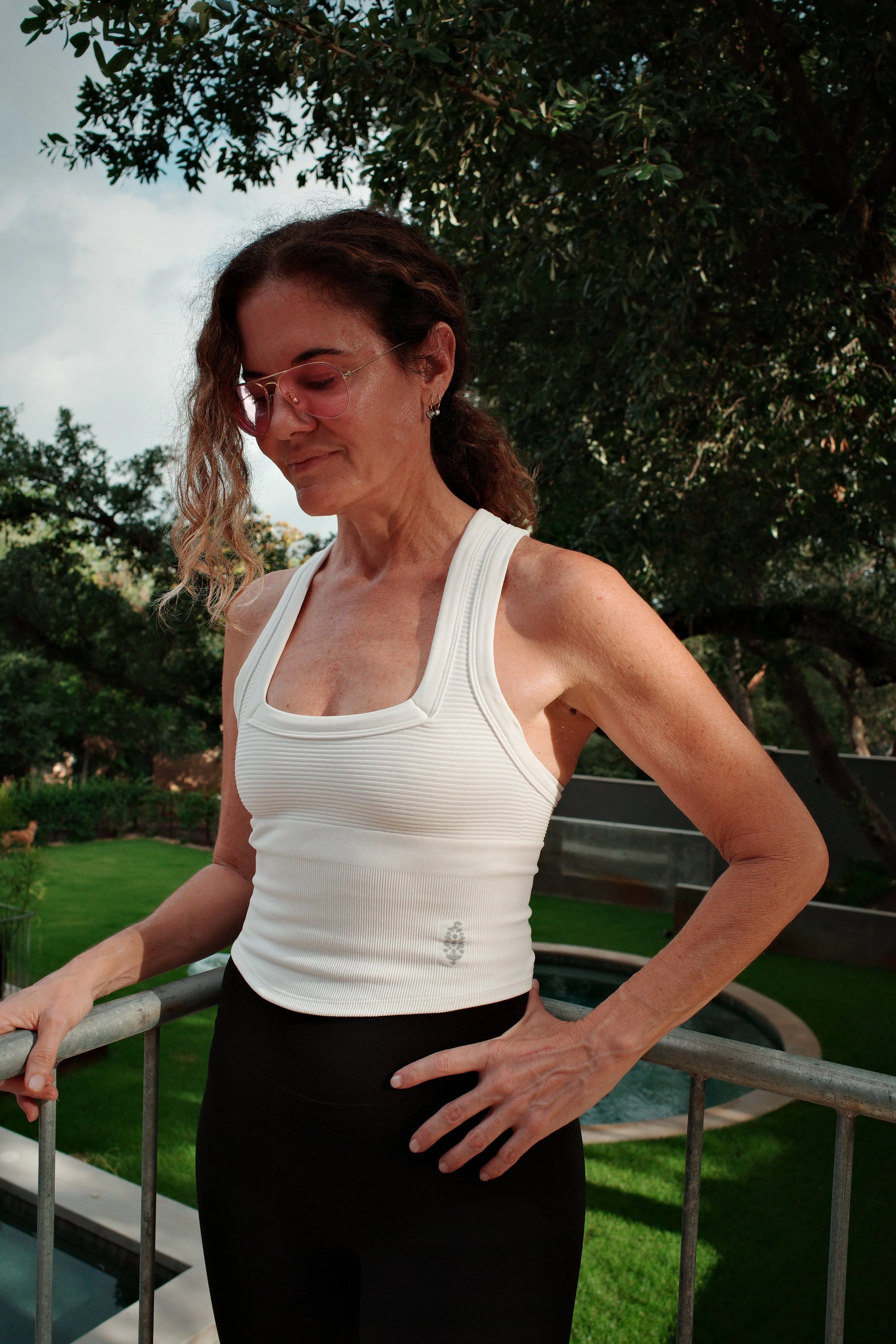
Perimenopause changes the way your body responds to exercise, sometimes years before you expect it.
As estrogen begins to decline, muscle mass and bone density can decrease, metabolism can shift, and fat is more likely to settle around the midsection. The workouts that worked for you for years may suddenly stop producing the same results.
This is exactly when strength training matters most.
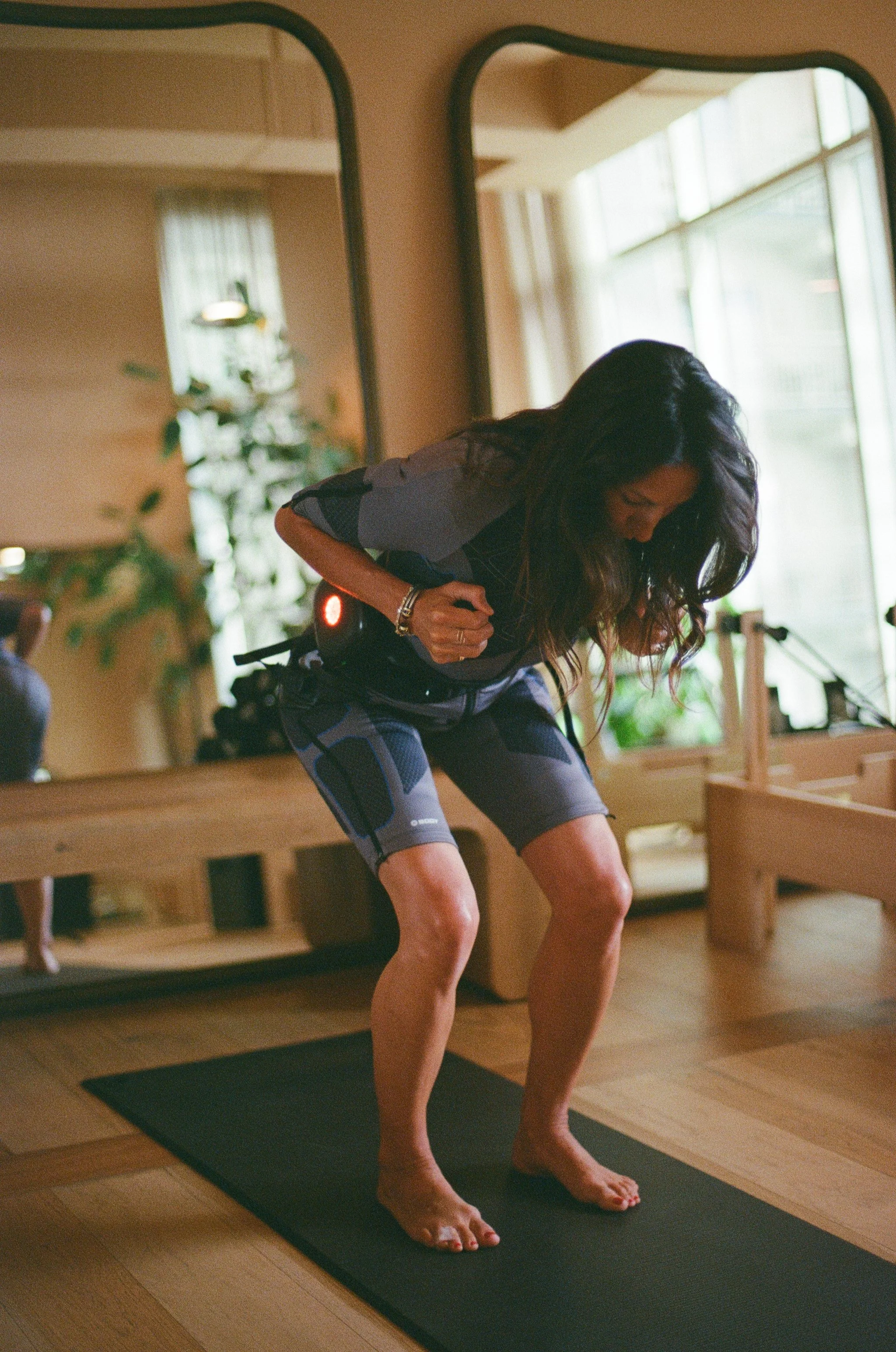
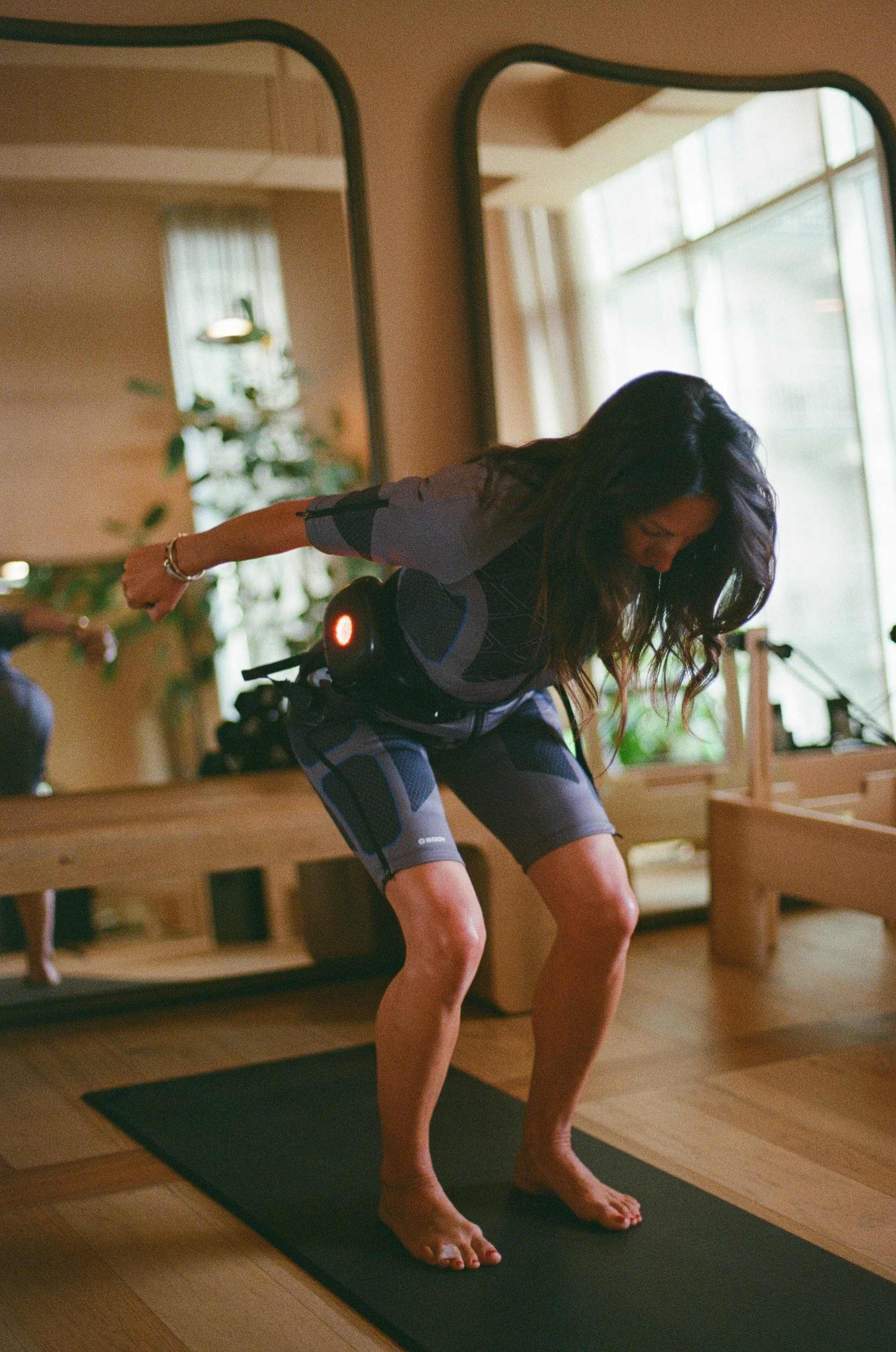
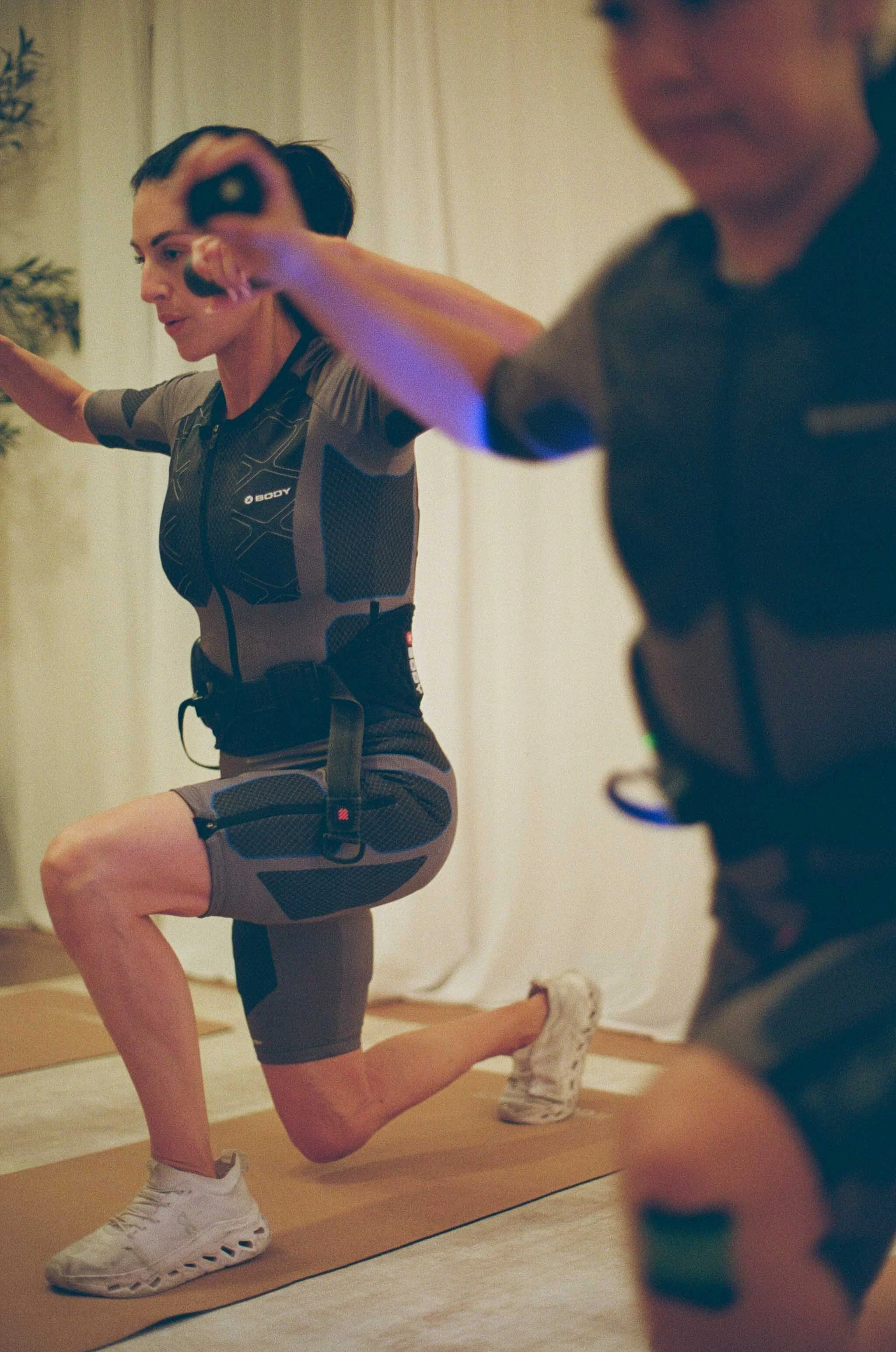
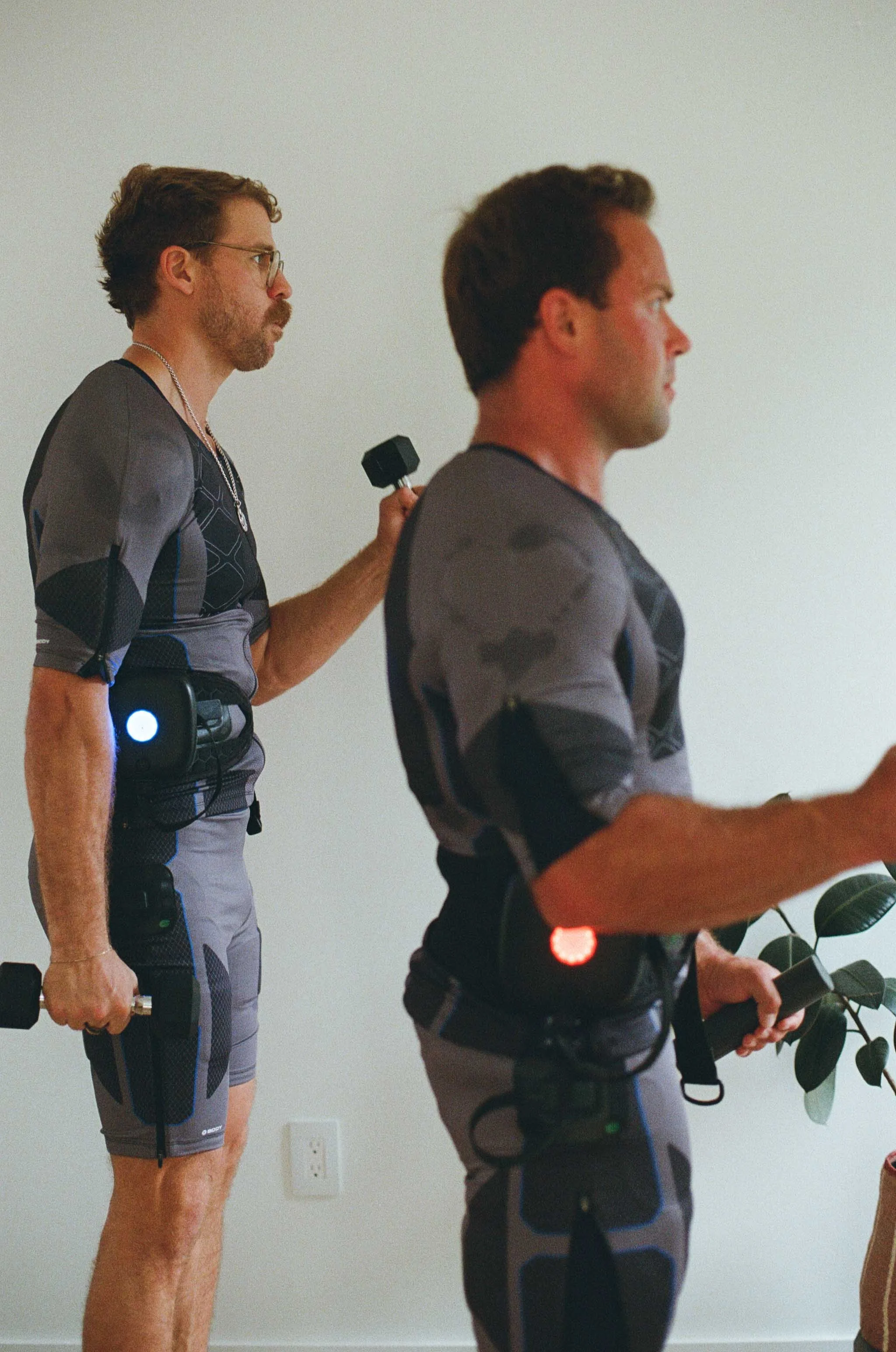
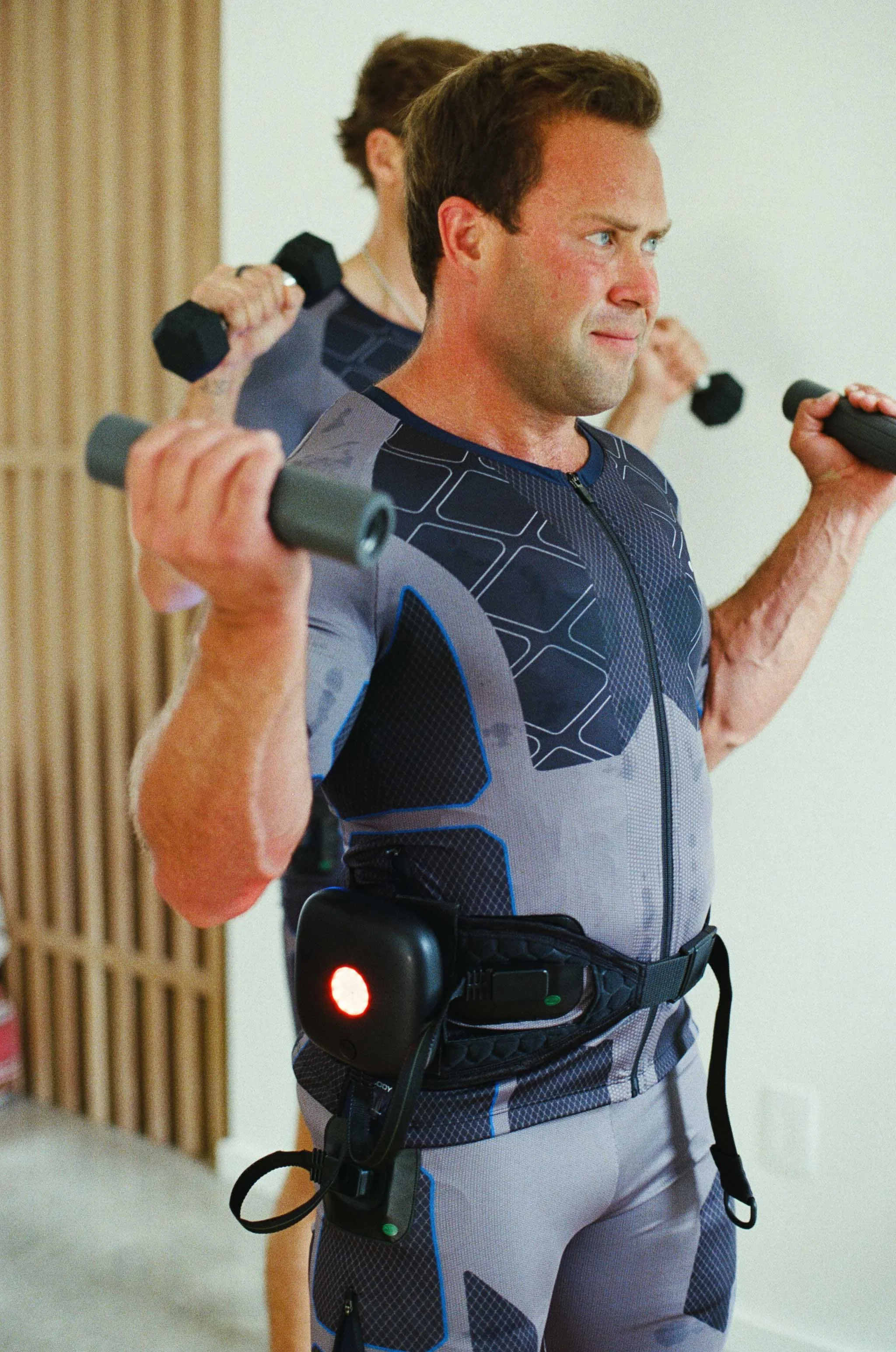
EMS gives you a highly efficient way to build and maintain muscle without spending hours in the gym or putting unnecessary stress on your joints. In just 20 minutes, electrical stimulation helps recruit muscle fibers throughout the body while you move through a personalized strength session with your trainer.
Research on whole-body EMS has shown improvements in strength, muscle mass and body composition, including reductions in abdominal fat in older and postmenopausal women.
And building muscle matters far beyond aesthetics. More muscle supports your metabolism, bones, balance, posture and long-term strength.
Your body is changing. Your training should evolve with it.
20 minutes. Once or twice a week. Strength for the body you have now, and the one you want to carry into the decades ahead.
Postnatal Benefits
Pregnancy and birth place significant demands on the abdominal wall, pelvic floor and deep core system. The rectus abdominis stretches as the uterus grows, the linea alba widens, and the pelvic floor experiences increased load throughout pregnancy and delivery. After birth, rebuilding strength is about restoring coordination, pressure management and function, not simply “getting your abs back.”
Once medically cleared for exercise, EMS can complement progressive postnatal strength training by increasing activation of targeted muscle groups while you move. At Club Volt, we focus on rebuilding the deep abdominal and core musculature, improving trunk stability and strengthening the hips and glutes, all of which contribute to posture and everyday movement after pregnancy.
Pelvic-floor recovery is more nuanced: the pelvic floor needs to coordinate with the diaphragm and abdominal muscles, and some clients need relaxation or rehabilitation rather than simply stronger contractions. If you’re experiencing leaking, heaviness, pain, significant diastasis recti or other pelvic-floor symptoms, we recommend working with a pelvic-floor physical therapist alongside your training.
Postnatal training isn’t about bouncing back. It’s about rebuilding a strong, functional foundation for the body you’re living in now.

Injury Rehabilitation
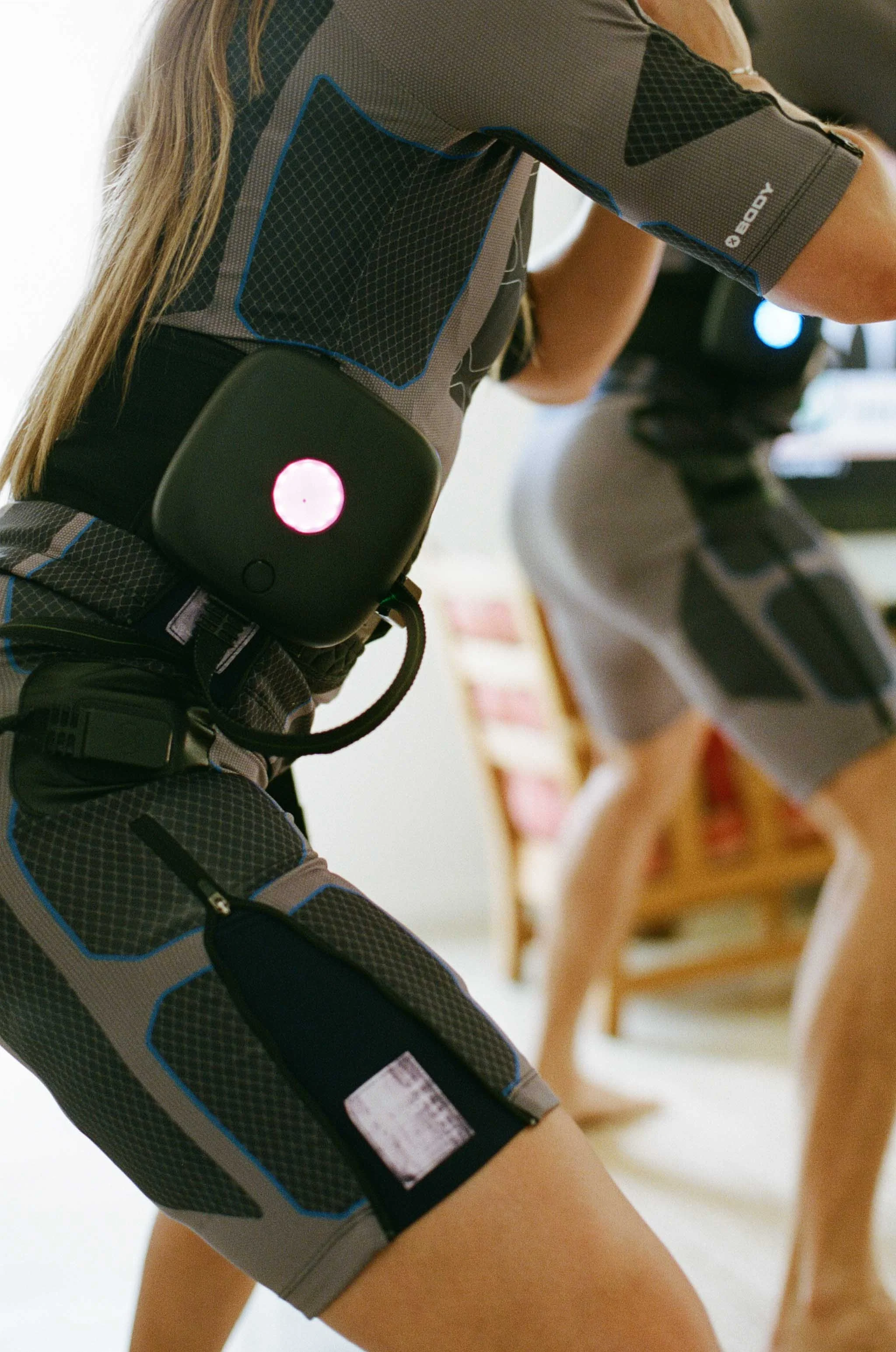
Electrical stimulation has deep roots in physical therapy and rehabilitation. When a joint or muscle has been injured, pain, swelling and immobilization can reduce the nervous system’s ability to fully recruit the surrounding musculature, a phenomenon known as arthrogenic muscle inhibition.
EMS can help reinforce that brain-to-muscle connection by stimulating motor nerves and producing controlled muscular contractions. When paired with appropriate movement, this can support neuromuscular re-education, strength rebuilding and the preservation of muscle tissue while allowing training with less external load than traditional resistance exercise.
This can be especially valuable when rebuilding the muscles responsible for joint stability—for example, the quadriceps around the knee, glutes and deep core around the pelvis, or stabilizing musculature surrounding the shoulder.
At Volt, EMS is not a replacement for medical care or physical therapy. Once you’re cleared to train, it can be an incredibly effective bridge between rehabilitation and returning to full strength—helping you rebuild intelligently, progressively and with your individual injury history in mind.
Athletic Performance
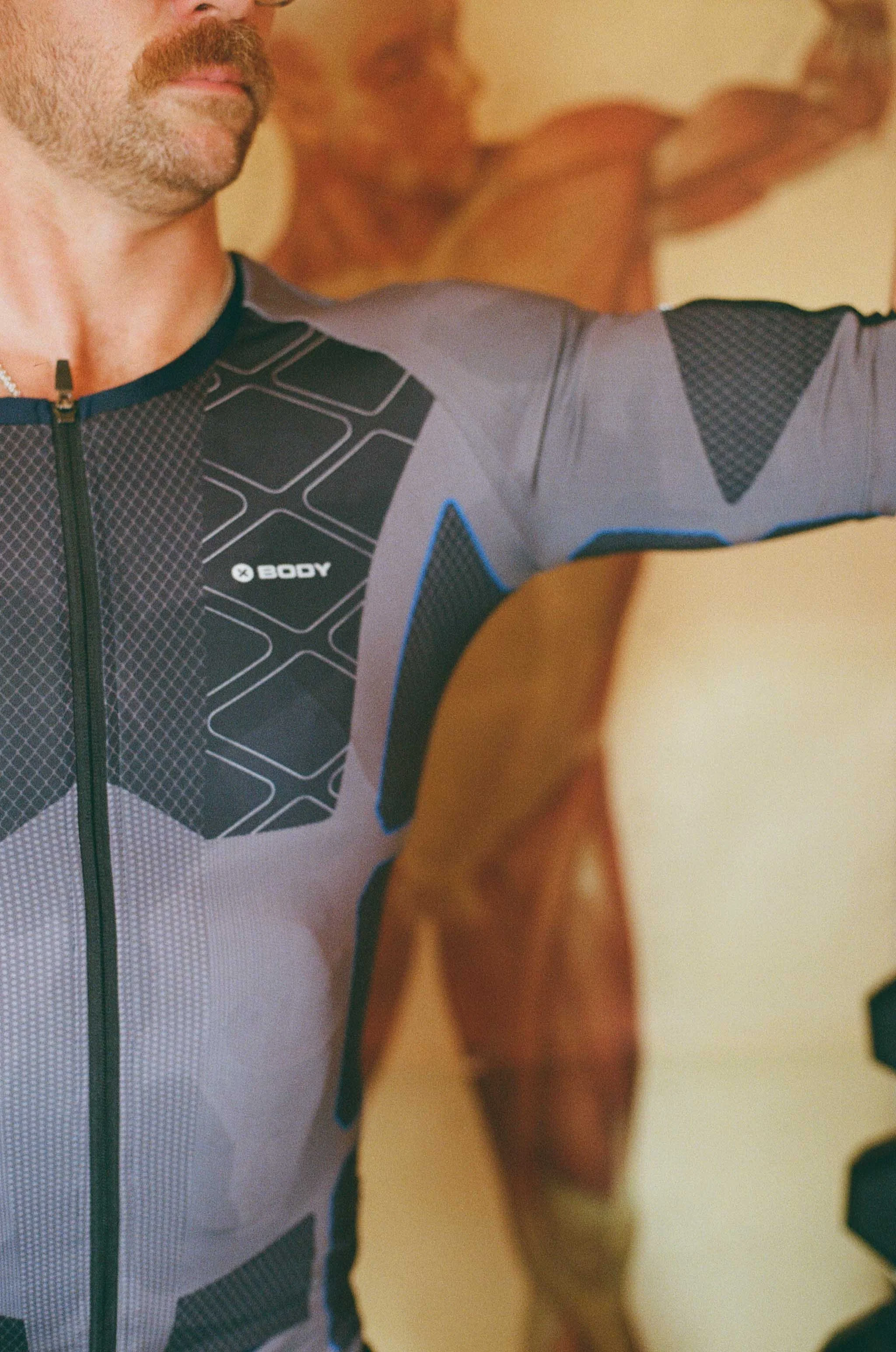
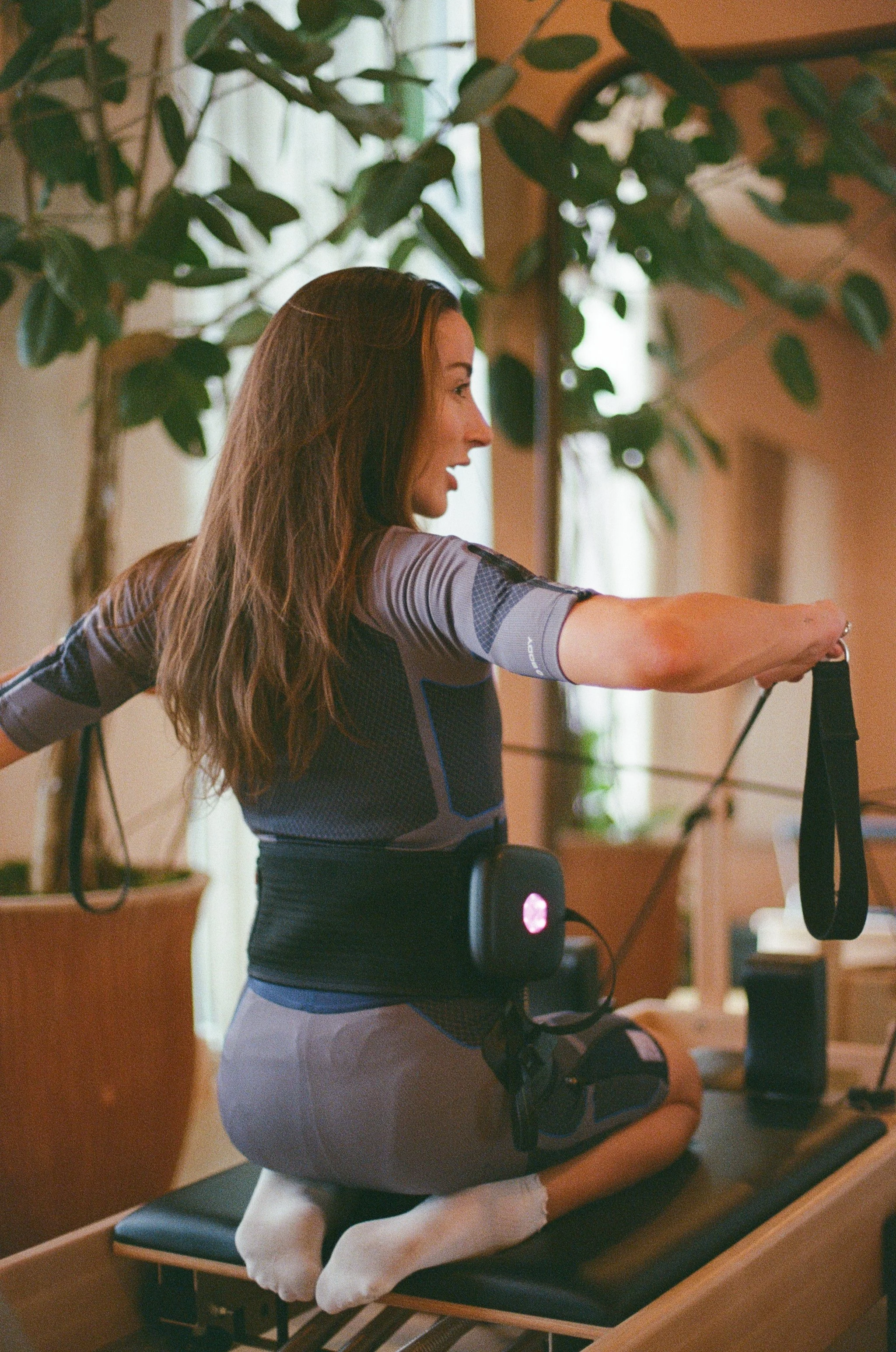
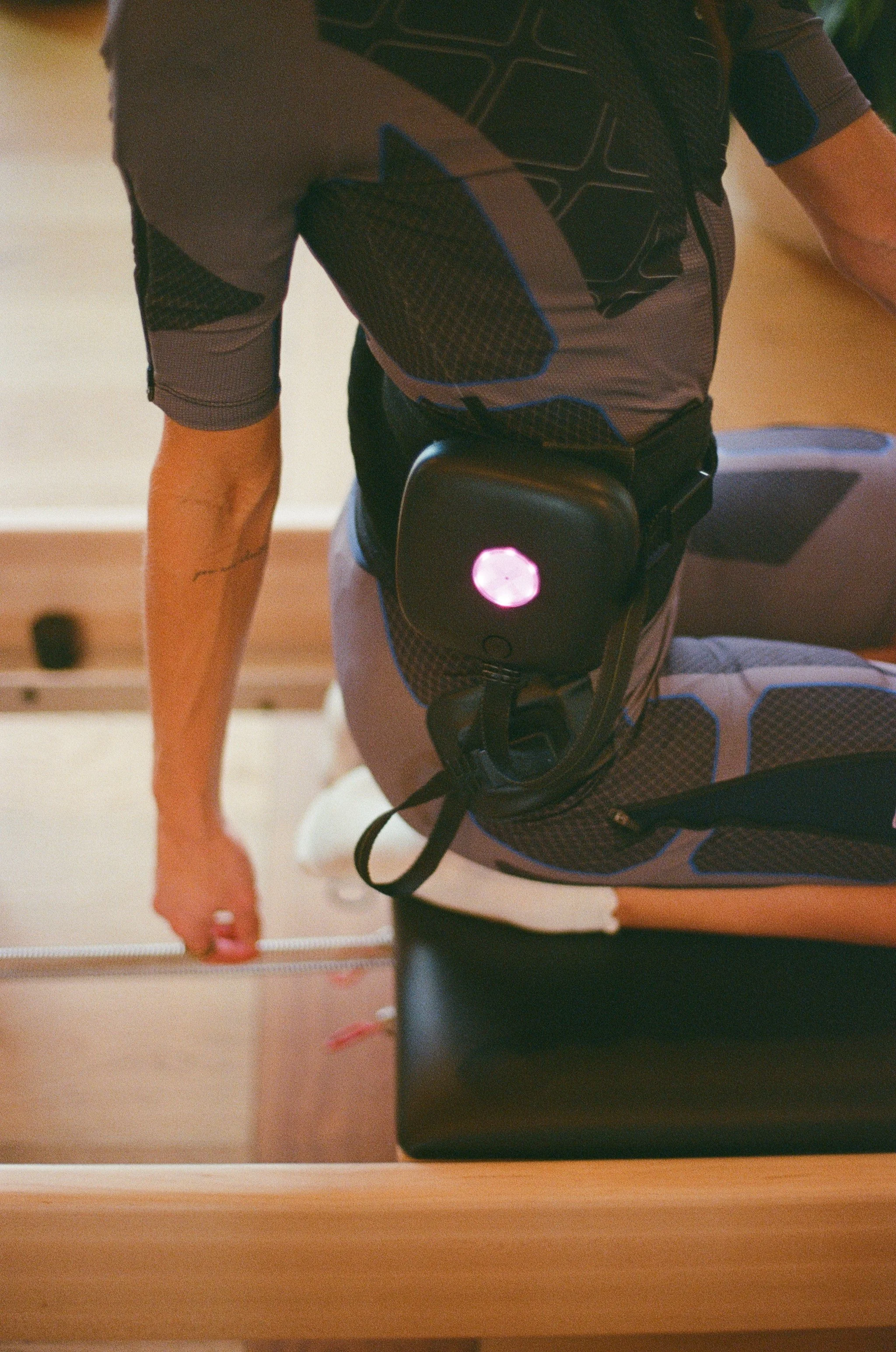
Athletic performance depends on more than raw strength. Power, stability, muscular coordination and the ability to produce force efficiently all influence how well an athlete moves and performs.
EMS adds a unique stimulus to strength training by increasing muscular activation during sport-relevant movements. Programming can be tailored to emphasize specific areas, whether that’s glute and hamstring strength for acceleration, core stability for force transfer, or shoulder and trunk strength for rotational sports.
It’s also a valuable complement to demanding training schedules. EMS can create a significant strength stimulus with less external load on the joints, allowing athletes to develop strength without simply adding more heavy lifting volume to an already demanding program.
At Club Volt, we program around the athlete and their sport, not the technology. The goal is strength that translates when it actually matters: performance.
Golf
A powerful golf swing is a full-body movement. It depends on rotational strength through the trunk, stability through the hips and pelvis, strong glutes and legs, and the ability to efficiently transfer force from the ground through the body and into the club.
EMS allows us to train these muscle groups together while performing golf-relevant movement patterns. By strengthening the core, glutes, posterior chain and stabilizing musculature, we can support the physical qualities behind rotational power, balance, posture and control throughout the swing.
For golfers, the goal isn’t simply more strength, it’s usable strength. Better stability and force production can support clubhead speed and consistency, while the lower external loads used in EMS can make it a valuable complement to time spent on the course.
Build the body behind the swing. Then let your game do the talking.